There is a conversation that keeps surfacing in education, especially around career-connected learning and CTE. It usually sounds thoughtful and well intentioned. The concern is that schools are becoming too focused on preparing students for employment, that we are taking a capitalistic view of education and reducing students to future workers. And underneath that is a very real and valid desire. Parents and educators want young people to be more than earners. They want them to be healthy, fulfilled, and capable of living meaningful lives.
The problem is not the intention. The problem is the assumption that real world learning somehow limits that outcome.
In reality, the traditional model of education has struggled for years to deliver on that exact promise. Sitting in rows, memorizing content, chasing grades, and completing assignments disconnected from real life does not consistently produce confident, fulfilled humans. It often produces students who are unsure of themselves, unclear about their direction, and disconnected from how their learning applies beyond the classroom.
This is where career-connected learning is misunderstood. High quality CTE and work-based learning are not about funneling students into jobs. They are about helping students understand who they are. When students engage in real work, real problems, and real environments, they begin to develop something much deeper than technical skill. They build awareness of their strengths. They discover what energizes them and what does not. They learn how to communicate, collaborate, and adapt. They start to see how they can contribute to something larger than themselves.
That process builds confidence in a way that grades never will. It builds clarity in a way that course catalogs never can. It builds competence because students are not just learning about something, they are actually doing it. And it builds connection because they are interacting with people, not just content.
If the goal is to develop healthy and fulfilled humans, then we have to recognize that fulfillment is not created in isolation from the real world. It is created through engagement with it. Students need opportunities to try, to struggle, to succeed, to reflect, and to adjust. They need to see how their actions create value for others. That is where purpose begins to take shape.
When students understand how to create value, something powerful happens. They do not just become employable. They become contributors. They begin to see problems as opportunities. They build relationships across different perspectives. They gain a sense of agency. That is not about capitalism in a narrow sense. That is about building a stronger, more connected society.
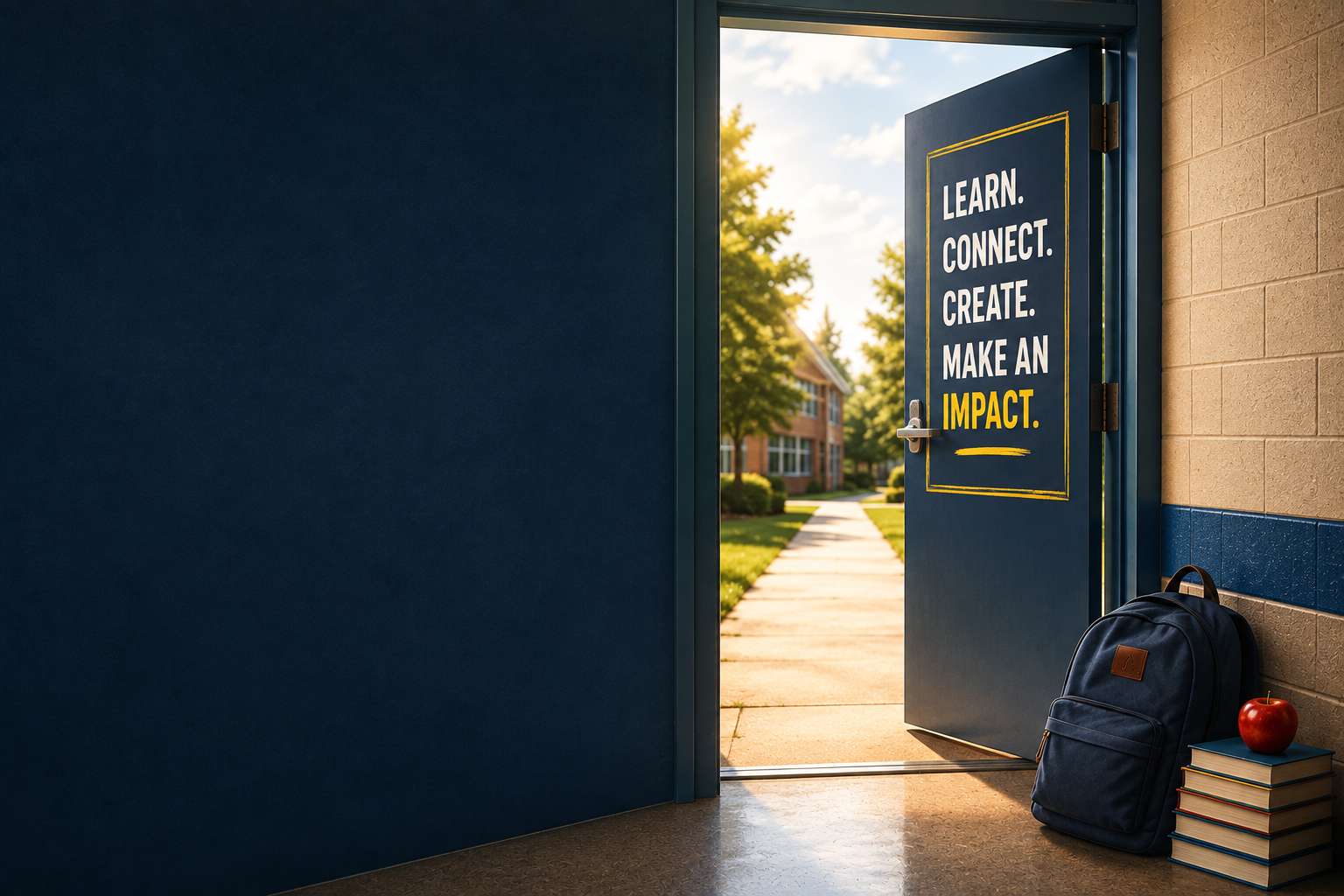
The real issue is not that we are too focused on careers. It is that too often we design learning experiences that lack depth and authenticity. When career-connected learning is done poorly, it can feel transactional. But when it is done well, it is expansive. It opens doors instead of closing them. It gives students experiences they can build on, not decisions they are locked into.
At the end of the day, a high school diploma should signal far more than completion. It should represent that a student can communicate effectively, solve problems, work with others, and navigate uncertainty. It should show that they have a sense of direction, even if that direction evolves over time.
Preparing students for the world of work is not in conflict with helping them become fulfilled humans. It is one of the most powerful ways to do it.
Peter Hostrawser
Creator of Disrupt Education
My value is to help you show your value. #Blogger | #KeynoteSpeaker | #Teacher | #Designthinker | #disrupteducation